The Ferrari Luce Might Be a Great Car. That’s the Problem.
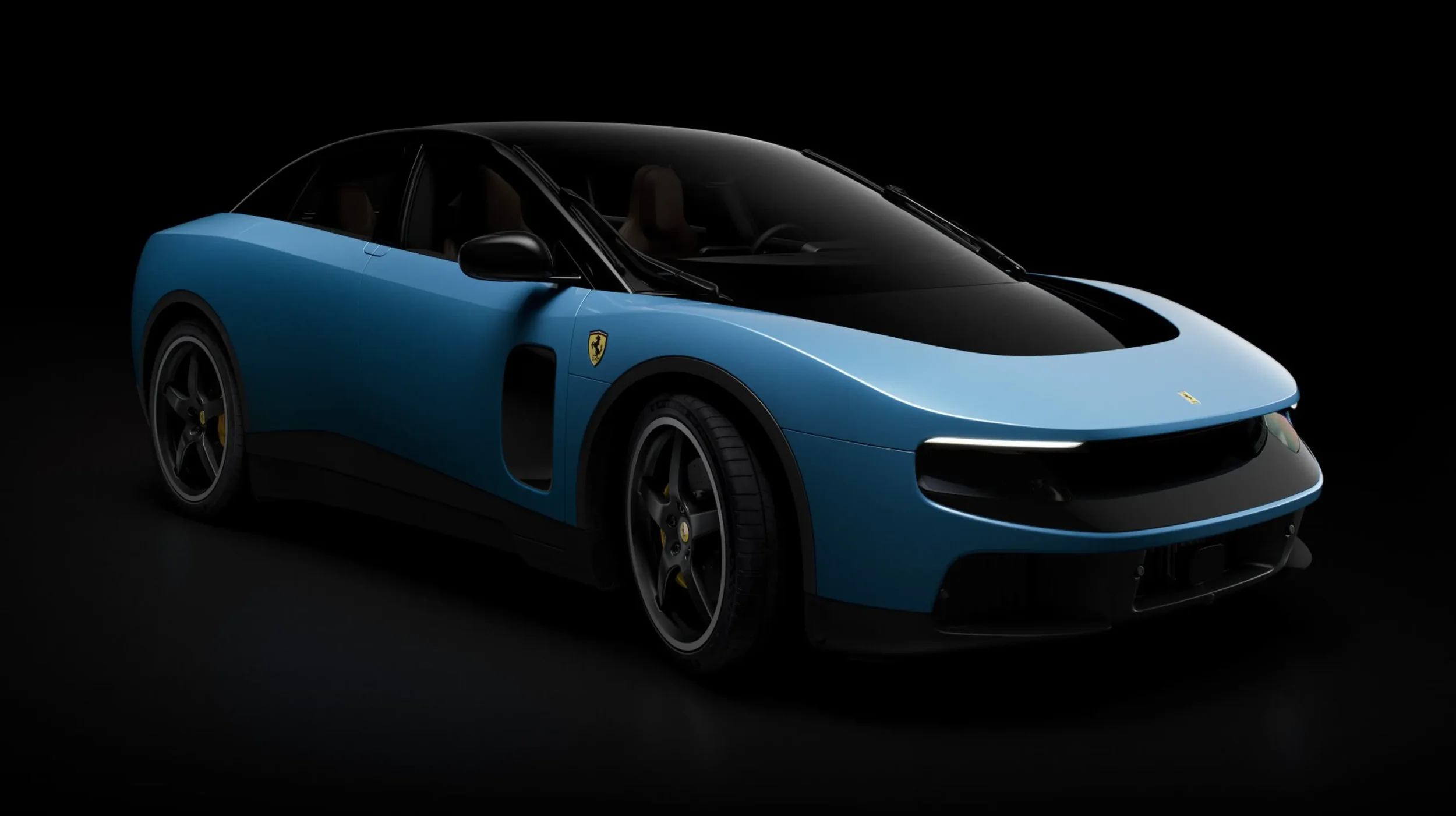
Ferrari Luce 📷 Ferrari S.p.A.
When I first saw the Ferrari Luce, I had a strange reaction. I was disappointed. And maybe that’s all in my mindset. Maybe I’m not evolving with the market and understanding where Ferrari as a hyper-premium automotive brand is going.
About me, I’m a car guy. I love the Ferrari brand. But I’m what you might consider an old breed of ‘Car Guy’. I really love the history. For me, seeing a 1957 250 Testarossa or a 1963 250GTO will never get old. I’ve seen them many times in my life and will always spend a lot of time just going over the proportions of the cars, the hand formed frame and bits of engineering put into these race purposed cars. And of course hearing that V12 start up and later tear down the track litterally gives me goosebumps. I’m that ‘Car Guy’.
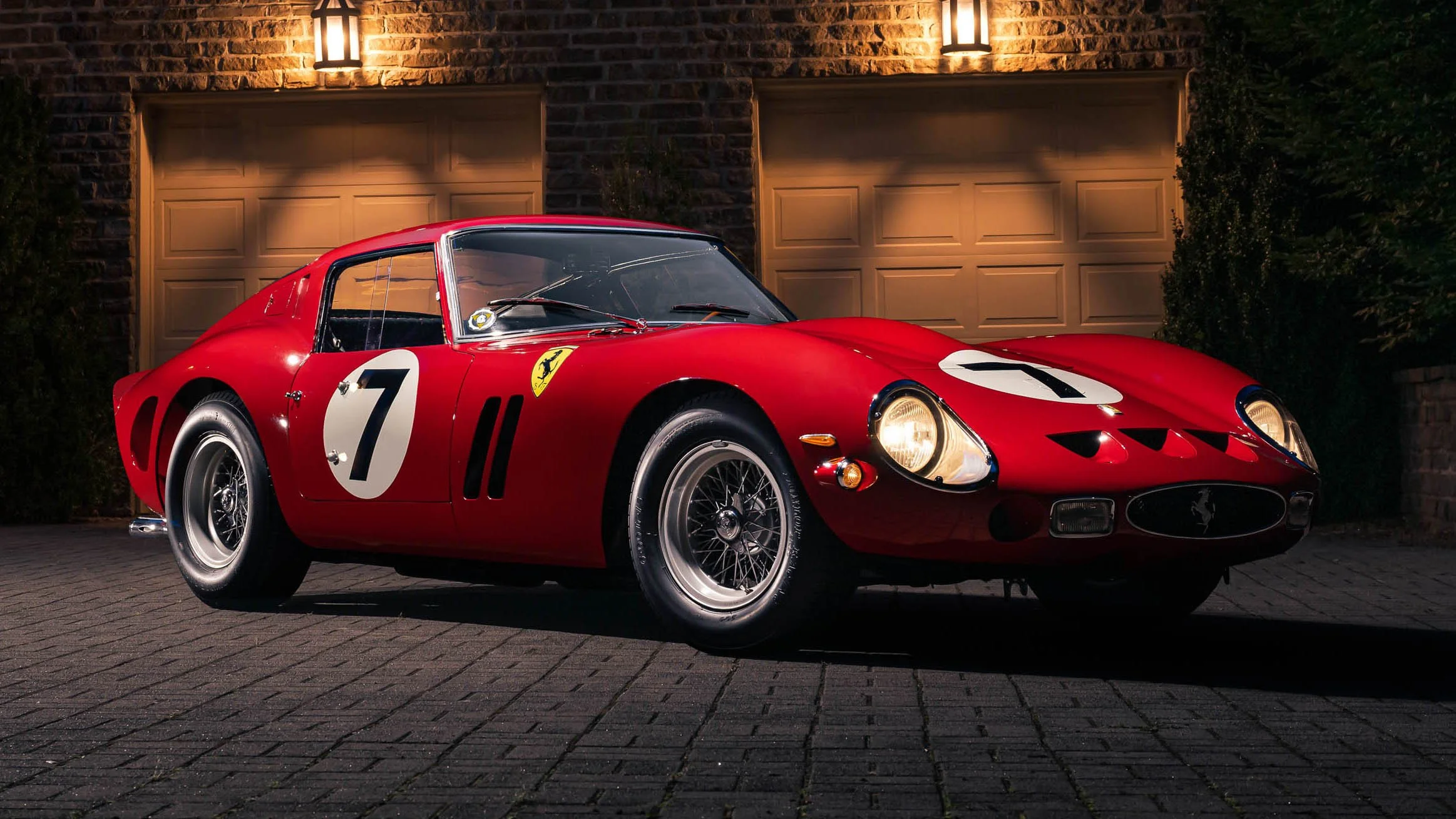
Ferrari 250GTO chassis #3,765 (9 of 36) 📷 Jeremy Cliff & RM Sotheby's
But I’m not just stuck in the old stuff. Ferrari over the years has always made cars that have been top of my wish list. The 1985 288GTO. The 1988 F40 of the 80’s was on my wall as a kid.
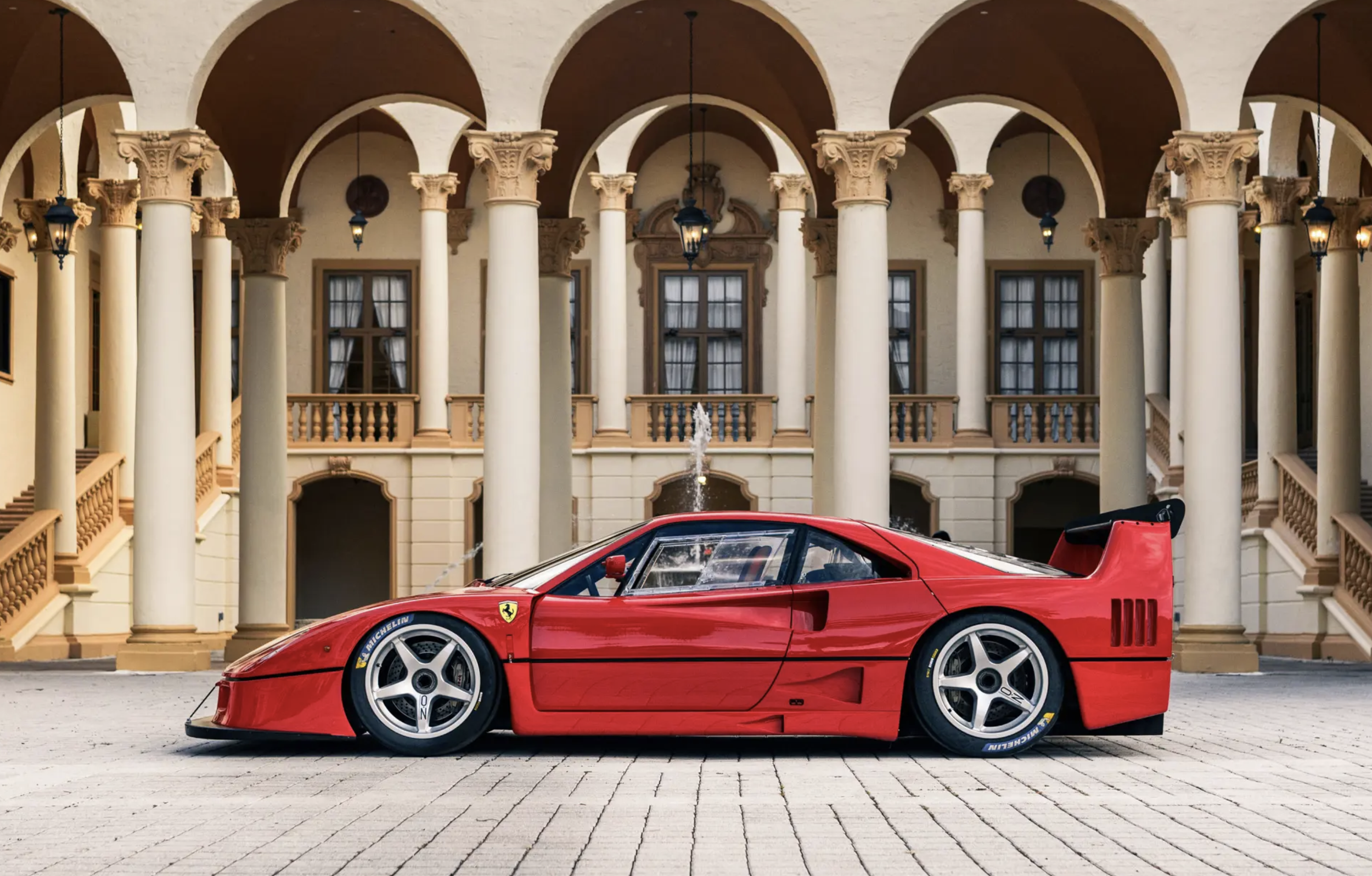
1993 Ferrari F40 LM (GTC) by Michelotto 📷 RM Sotheby’s
More recently the 458 and then 488GTB and Pista was just a beautiful and all around amazing car to drive. The epitome of Ferrari. And of course their ultra rare editions like the Daytona SP3 just emit that essence of what it means to be a Ferrari.
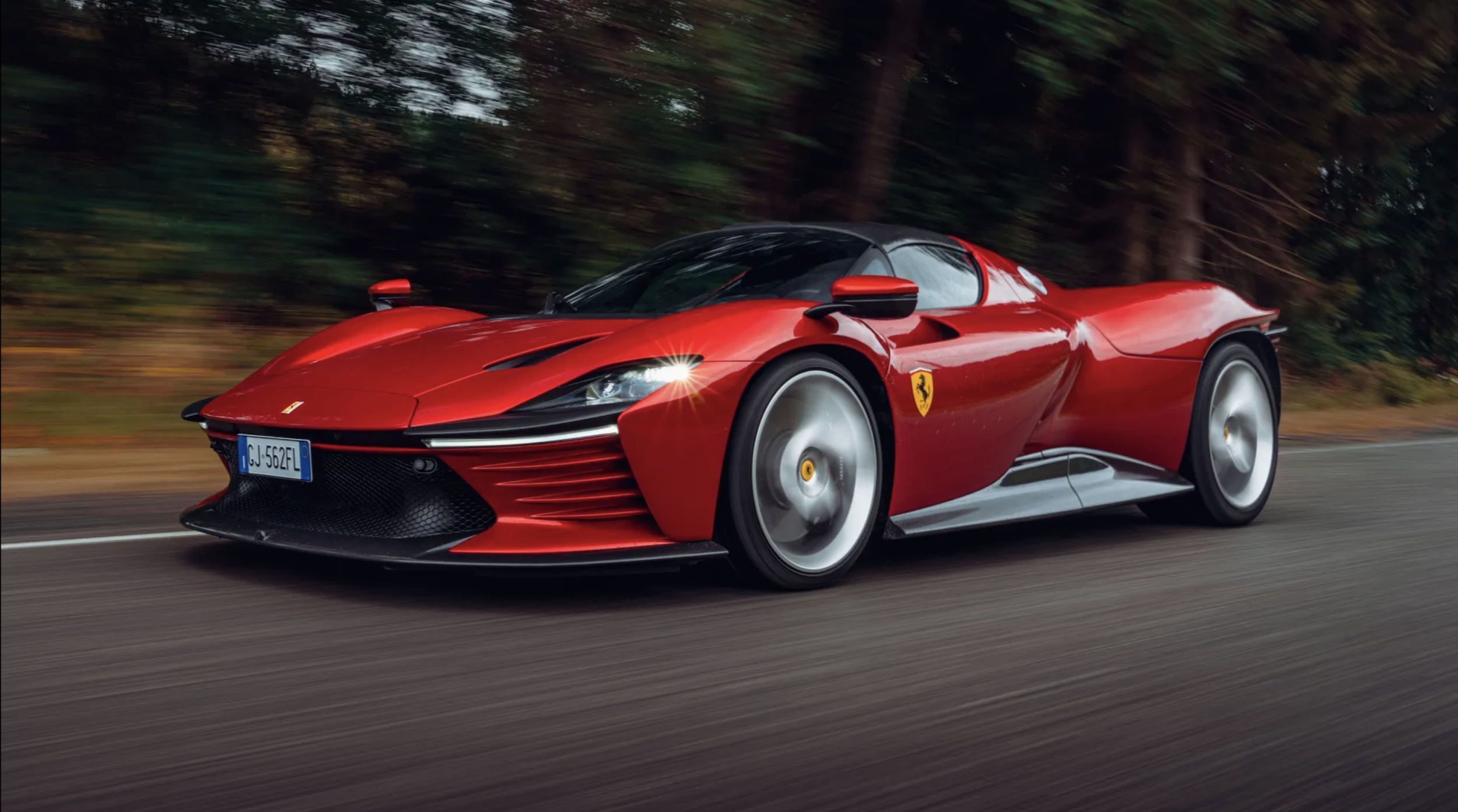
2022 Daytona SP3 📷 TopGear
Don’t get me wrong, not all Ferraris are my cup of tea. The Roma or even the rare SF90 are cars that don’t really align to my aesthetic taste. But they still look like a Ferrari. They look special.
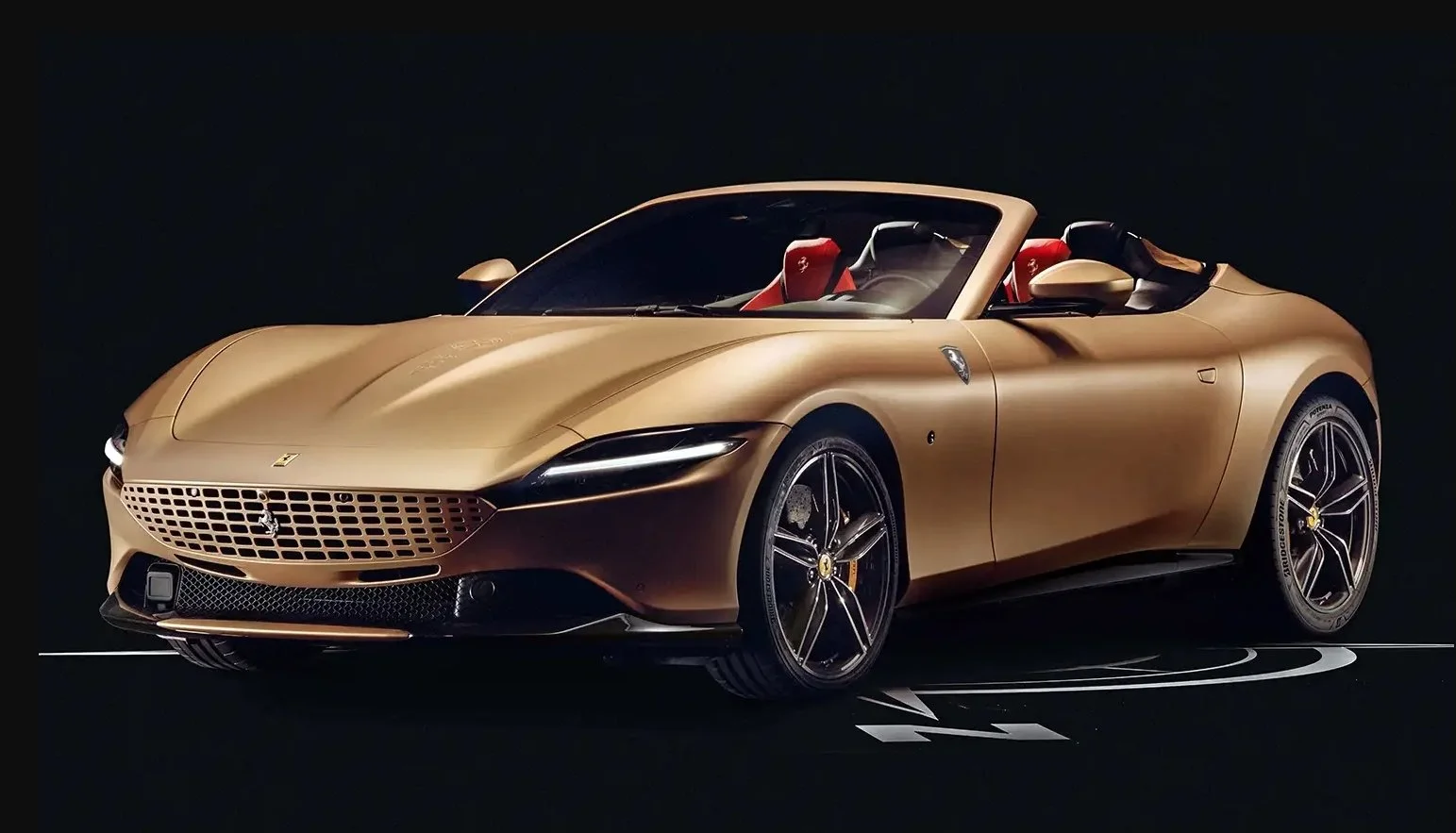
2024 Roma Spider Oro 📷 Ferrari S.p.A.
And now that’s where we are in this conversation. A question of does the Luce look ‘special’?
I looked at it and thought — “This might be a great car. But it doesn’t feel like a Ferrari.”
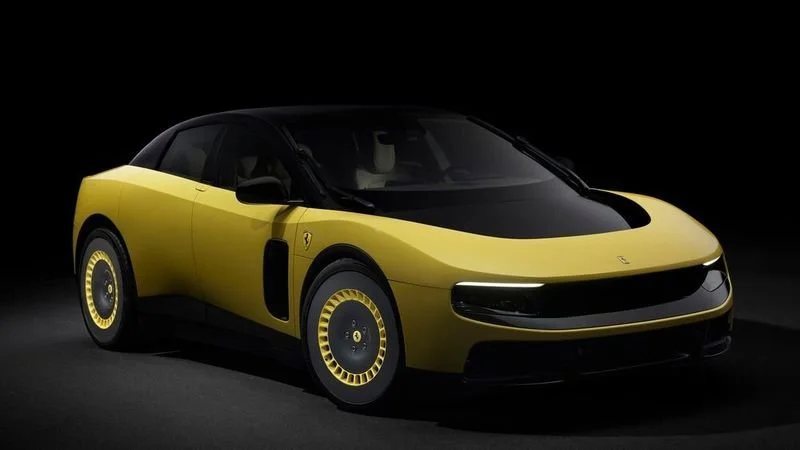
2026 Ferrari Luce 📷 Ferrari S.p.A.
Now before Ferrari enthusiasts sharpen their pitchforks, let me explain.
As designers, we often fall into the trap of evaluating products solely through the lens of execution. We critique proportions, materials, interfaces, manufacturing quality, aerodynamic efficiency, and technical innovation.
Yes, those things matter.
But sometimes we forget that products don’t exist in isolation. Products exist inside brands. And brands exist inside people’s heads.
The Ferrari Luce may be one of the most technically impressive vehicles Ferrari has ever produced. It may accelerate faster, corner harder, and outperform many of its predecessors.
Yet none of those things answer a much more important question:
Does it deliver what people actually buy Ferrari for?
What Ferrari Sells
Back in the early 2000s, I worked on a brand strategy project involving Ferrari and it’s owners. I gain a deep understanding of who the Ferrari owners were and who potential future Ferrari owners might be.
One of the strongest customer profiles that emerged from the research was something we called the “Status Seeker.”
These weren’t necessarily professional drivers. They weren’t all motorsport enthusiasts. Most weren’t chasing lap times or have even been to a track.
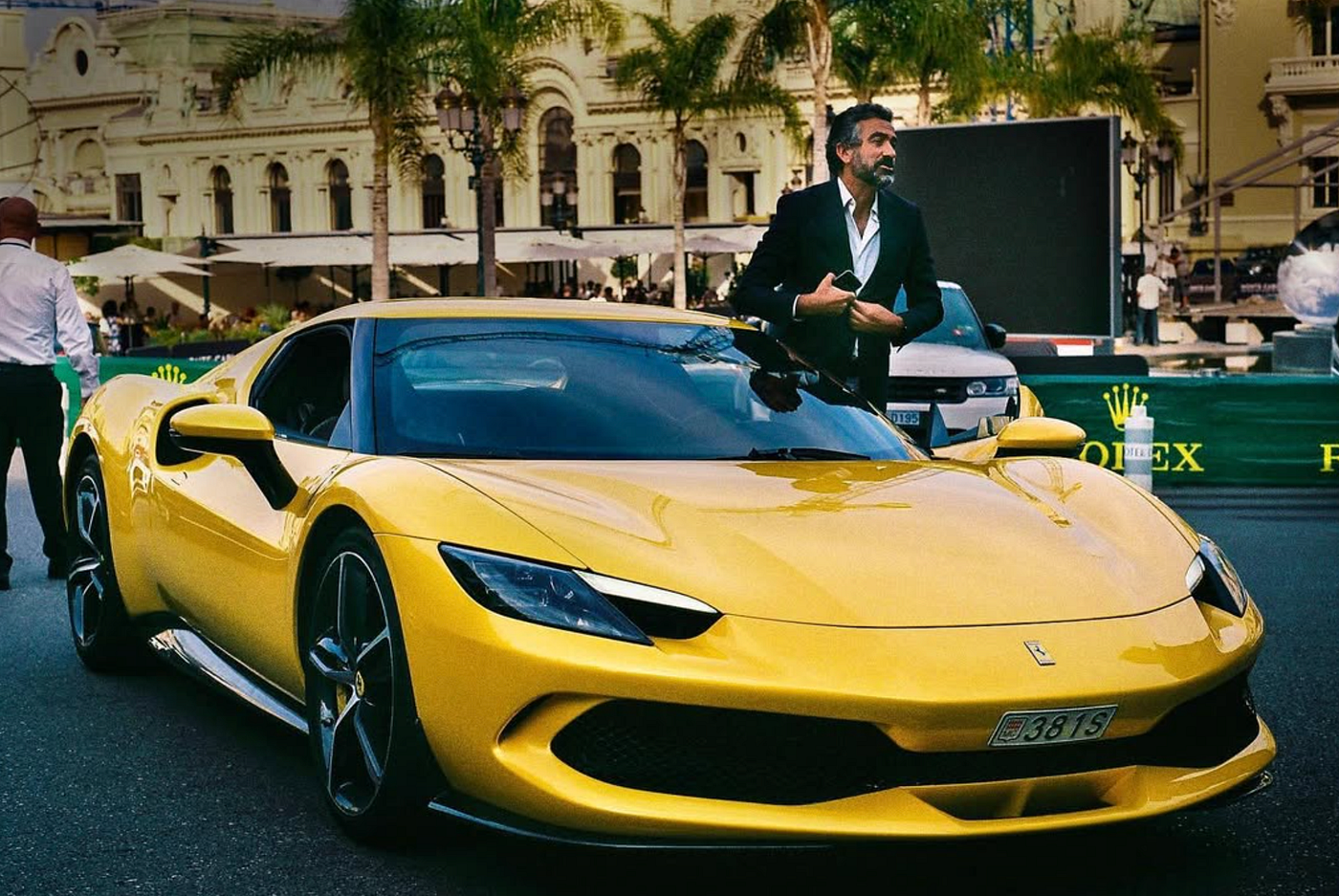
Ferrari 296GTB in Monaco 📷 Shyam Ediriweera
They were buying something else. They were buying a symbol. They wanted to arrive. They wanted to be seen. They wanted to pull up to a place and have people watch the valet park it front and center where they could be seen leaving in this spectacular machine. They wanted people at stoplights to notice. They wanted to own something that very few people could.
Now, that wasn’t every Ferrari customer. Ferrari has always attracted passionate drivers, collectors, racers, and enthusiasts. But what became clear was that status, aspiration, and visibility were significant parts of the brand’s appeal.
Ferrari, whether enthusiasts like it or not, it has always been part performance machine and part social signal.
The racing pedigree gives the brand legitimacy. The exclusivity gives it desirability. The styling gives it presence. Together they create aspiration.
Ferrari doesn’t just sell transportation.
Ferrari sells theater.
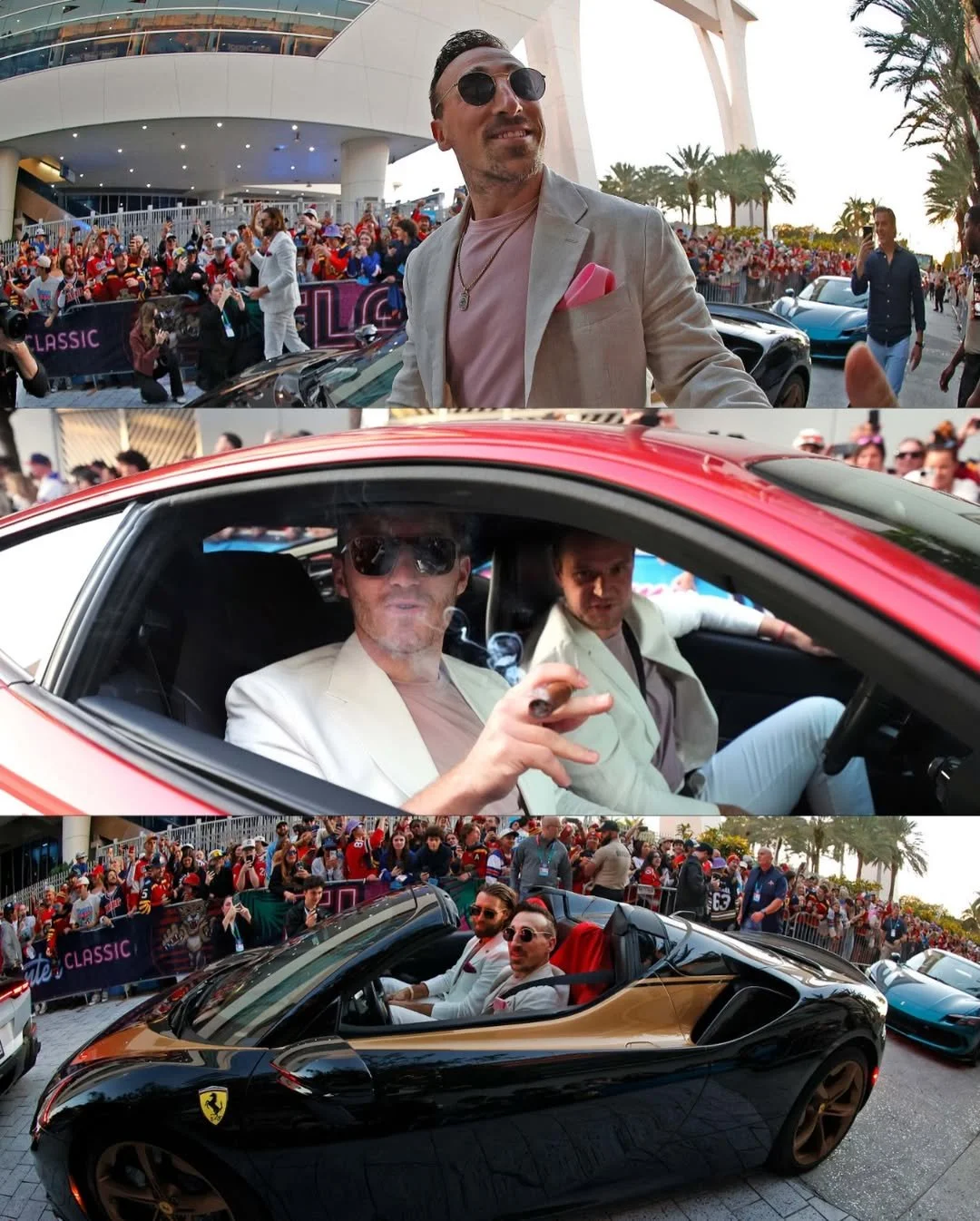
Jan 2, 2026 The Florida Panthers arrive in style 📷 Spittin Chiclets
The Problem With The Luce
The Luce feels like it was designed by people who deeply understand industrial design but may have thrown out Ferrari’s role in culture. (I’m sure I’m gonna get some flak for that statement)
Viewed independently, the design is clean. I would even say it’s sophisticated. It’s certainly been refined with a real attention to detail as seen in the interior design. I would even be as so brave to call it elegant.
The interior especially deserves praise. The simple steering wheel that obviously has huge nods to those vintage Ferraris of the 60’s and 70’s I love so much. (I’m still trying to wrap my head around why you would reinvent the turn signal stalk, but that’s for another post).
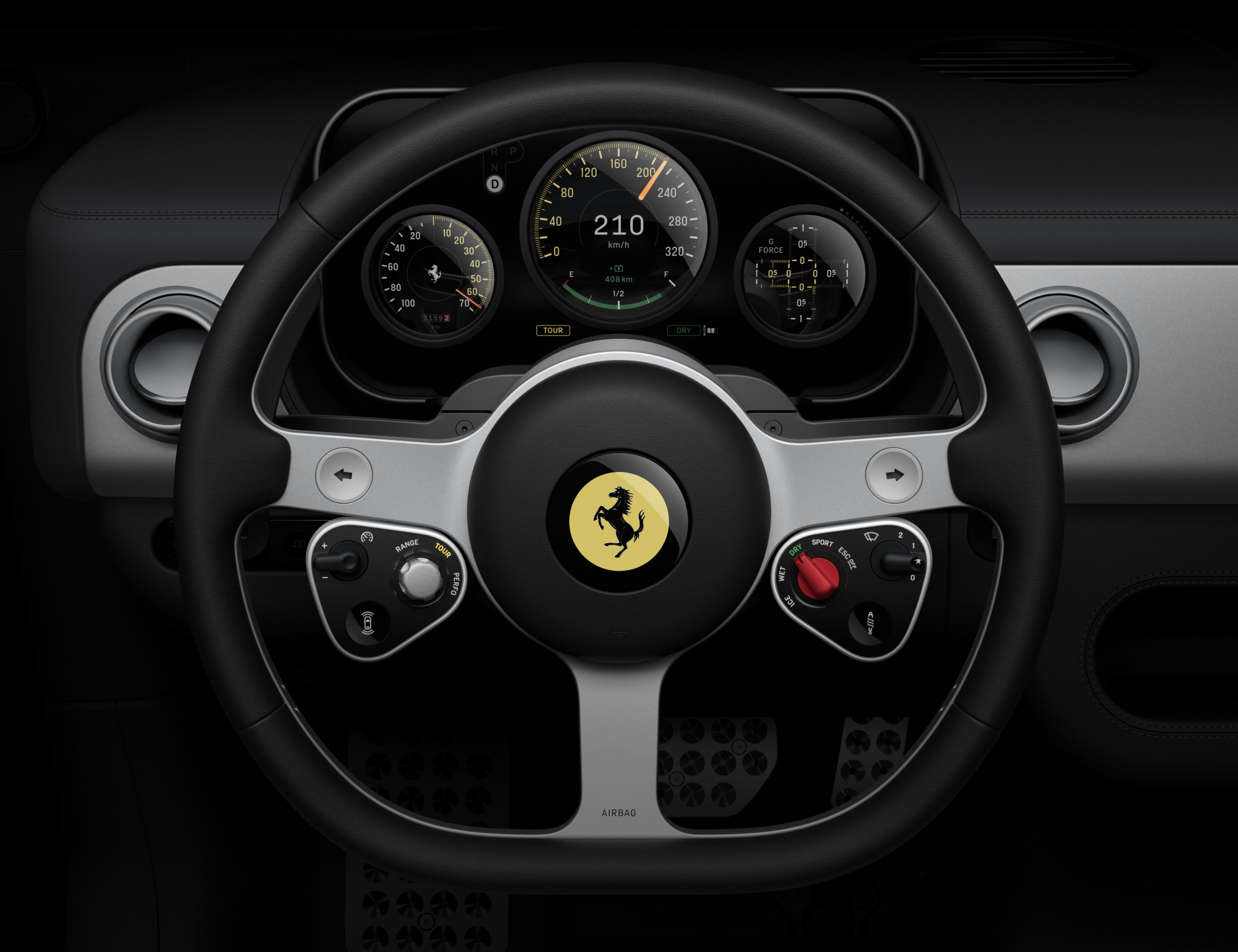
Ferrari Luce Steering Wheel 📷 Ferrari S.p.A.
But the influence of former Apple designers is immediately apparent. The cabin feels restrained, modern, and thoughtfully executed. It prioritizes simplicity over visual clutter and creates an environment that feels premium without being excessive.
In another context, I’d call it exceptional. The problem is that it feels more like an Apple Car than a Ferrari. It feels like an Ikepod watch.
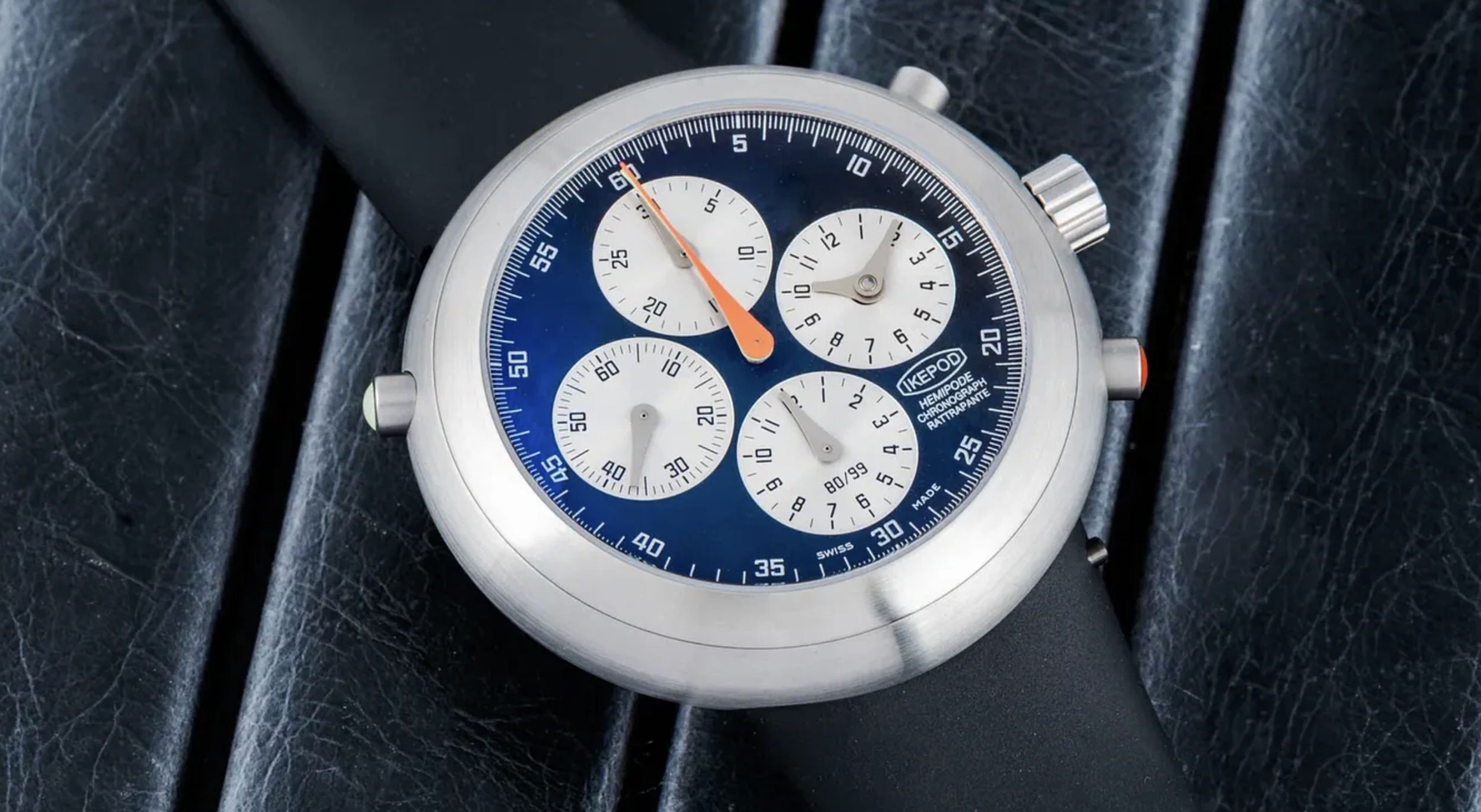
1996 Ikepod Hemipod 📷 Ikepod
Ferrari has historically created vehicles that command attention. The Luce feels like a vehicle designed to avoid demanding it.
The Ferrari Luce was designed by the creative collective LoveFrom, founded by former Apple design chief Sir Jony Ive and industrial designer Marc Newson.
I had a chance to meet Jony Ive through designers I knew working under him in the Apple ID team years back. I remember him owning an Aston Martin (DB9 or DBS I believe) at that time and knew he had an appreciation for automotive design.
Marc Newson was one of these super star industrial designers I really appreciated when he designed the Ford 021C, I even bought a Biomega bike he designed because I thought it was so unique and revolutionary for the time. So I’ve been a fan. And they are great designers.
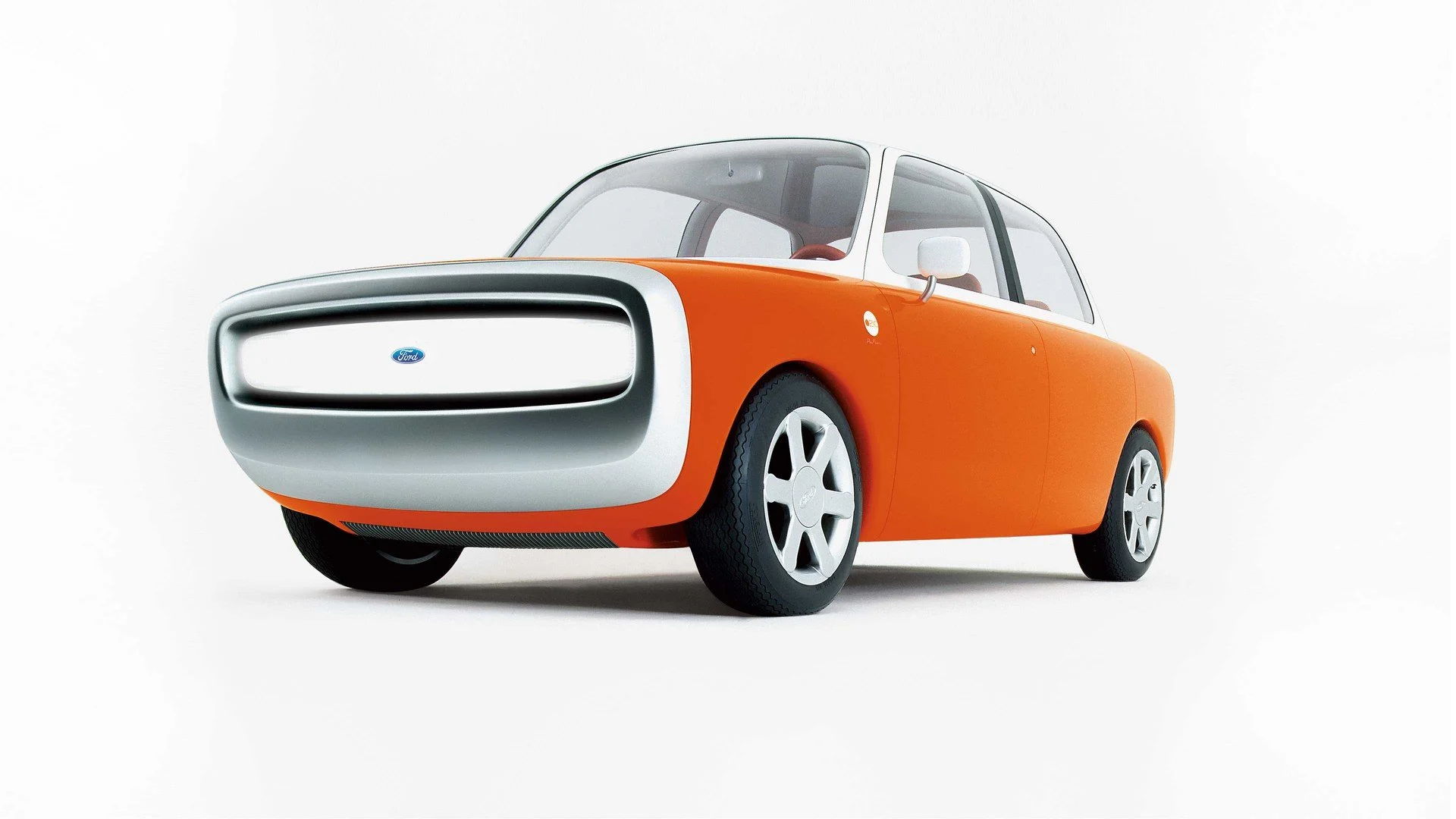
Ford 021c 📷 Marc Newson
But…. (there’s always a big but)
When I look at the Luce, I don’t see aspiration. I see discretion. I see safe and convenient. I see usability.
Those are all admirable qualities. They’re just not the qualities most people immediately associate with Ferrari. I mean, it doesn’t even look difficult to get into ;-)
The silhouette lacks the drama that has defined Ferrari for decades. The greenhouse feels unusually tall. The body appears visually heavy around a cabin that seems oversized relative to the vehicle’s proportions.
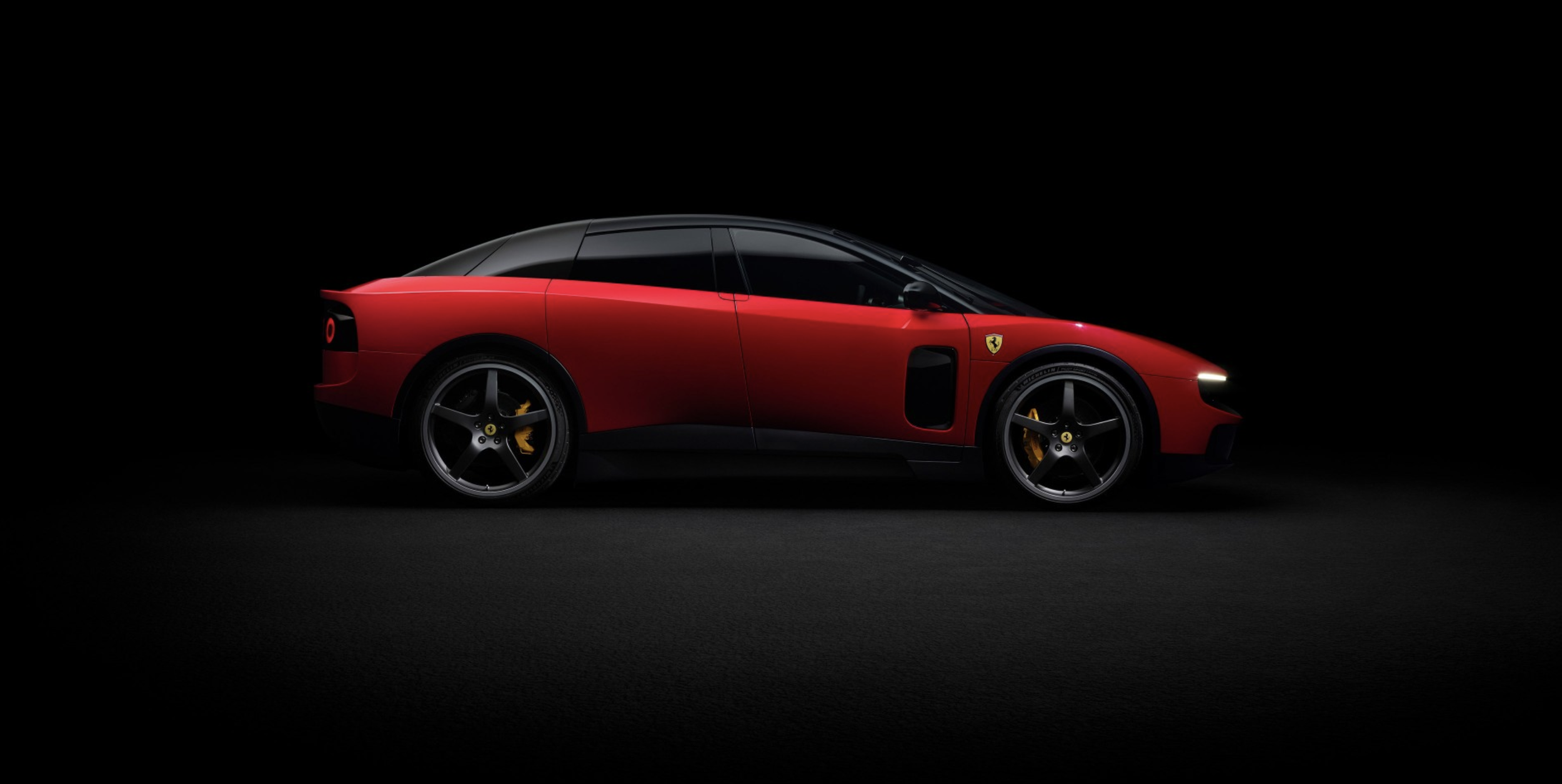
Luce Profile in Red 📷 Ferrari S.p.A.
The result creates an unusual impression.
It’s as if there’s a sleek, athletic sports car hidden underneath a larger suit that doesn’t quite fit.
Now I’ll need to be upfront about my observations. I have not yet seen the car in person. It’s all from the photographs and videos I’ve seen of the car. When seeing a car in person it can be a completely different experience. If you’ve ever seen a picture of Rolls Royce over seeing one in person you’ll know what I’m talking about. The sheer size of those cars just gives you the presence in person that you quite can’t get from a photograph.
But from what I’ve seen, the stance lacks tension. The proportions lack occasion. The visual impact lacks the sense of spectacle that makes someone stop and stare.
And for a Ferrari, I feel that’s a problem.
Because while not every Ferrari owner wants attention, the brand itself has always been built around emotional visibility. Ferrari is one of the few automotive brands whose products are expected to make an entrance before the driver ever steps out.
Could This Have Been Another Brand?
Ironically, I think the Luce might be receiving far more praise if it wore a different badge.
As a modern Lancia, it could be revolutionary.
As an Alfa Romeo flagship, it could be celebrated.
As a luxury grand tourer from almost any other European manufacturer, it would likely stand out as bold and progressive.
Had this been a car from Apple and perhaps even ‘engineered’ by Ferrari it would make sense to me.
The issue isn’t the design itself. There are elements that are really nice. I even appreciate that LoveForm made an effort to bring the round taillights to the car. Side note: One of my pet peeves of the Roma. The taillights feel like they came from a Camaro. The 296GTB is such a beautiful car reminiscent of the Dino 246GT but the tail lights didn’t feel like they were a Ferrari.
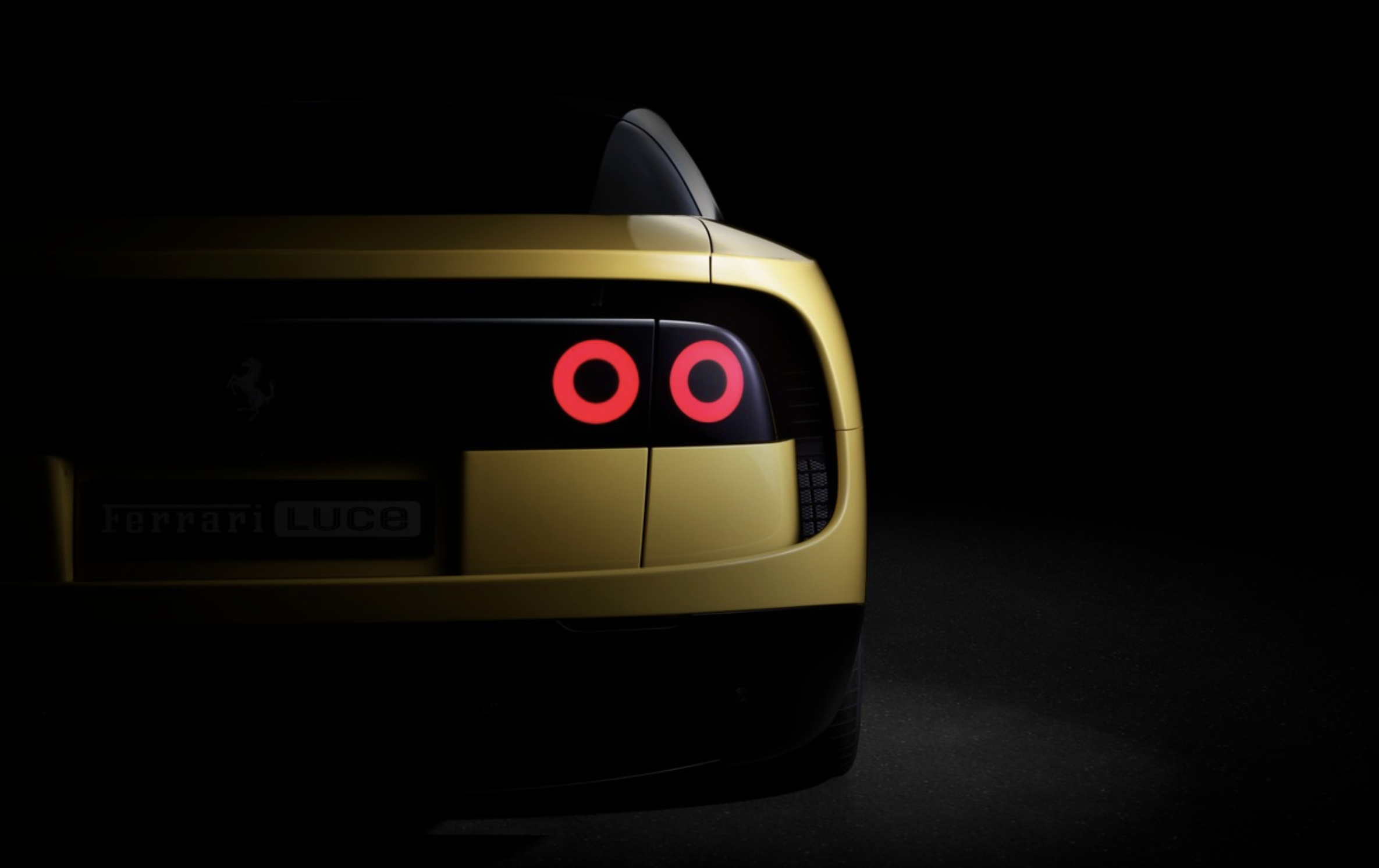
Luce Rear 📷 Ferrari S.p.A.
The issue is the expectation attached to the Cavallino.
When a Ferrari arrives, people expect a sense of occasion. They expect drama. They expect confidence. They expect something that communicates performance before the engine even starts.
The Luce communicates intelligence.
Ferrari has historically communicated desire.
Those aren’t the same thing.
Design Isn’t About Products. It’s About Expectations.
One of the biggest lessons I’ve learned throughout my career is that great design isn’t simply creating something beautiful.
It’s creating something that fulfills the promise of the brand, something that people who are passionate about that brand might expect.
A product can be objectively well-designed and still miss its audience. It can win awards and struggle to build emotional connection. It can even be technically superior and culturally disconnected.
Designers often obsess over form, function, and craftsmanship. Consumers judge products against stories and Ferrari’s story has never primarily been about restraint. It has never primarily been about fitting in. It has never primarily been about quiet sophistication.
Ferrari’s story is about aspiration. — About emotion. — About exclusivity.
About making ownership feel special.
That’s why the most successful Ferraris don’t just perform well. They create desire before the key is ever turned.
The Ferrari Luce may ultimately prove to be a fantastic automobile. In fact, I suspect it probably is. But the question isn’t whether it’s a good car. The question is whether it delivers the emotional promise people expect when they see a Ferrari badge.
And for me, that’s still the part I’m struggling with. But right now I can’t understand how Ferrari will pull it off looking much like a new Nissan Leaf. I hope I’m wrong.
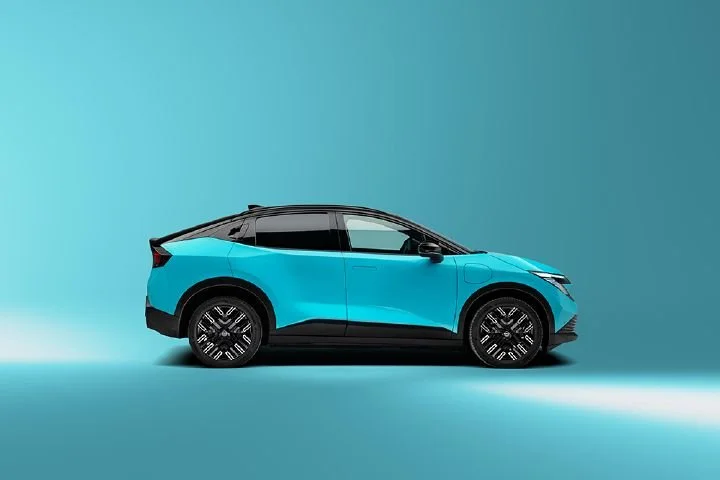
2026 Nissan Leaf 📷 Nissan